


Electronic weighing scales have become an essential tool in modern businesses and industries, transforming how companies measure, track, and manage weight-sensitive operations. Unlike traditional mechanical scales, electronic scales provide precise, reliable, and fast measurements, which are critical for sectors ranging from retail and manufacturing to logistics and healthcare. Their versatility allows businesses to streamline operations, reduce errors, and ensure compliance with industry standards. With advancements in technology, these scales now offer digital displays, connectivity options, and even integration with inventory and point-of-sale systems, making them more than just measurement devices—they are smart business solutions. Understanding their functionality and benefits is key to leveraging their full potential in today’s competitive marketplace.
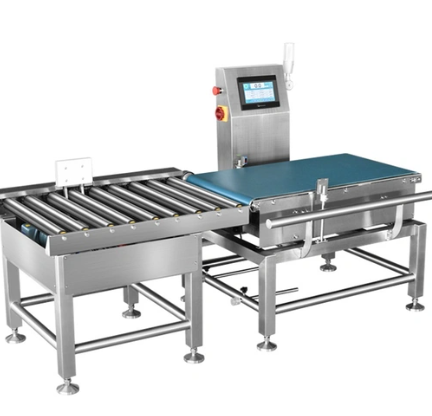
How Electronic Weighing Scales Work
Electronic weighing scales rely on a combination of advanced components to deliver precise and consistent measurements. The core of any electronic scale is the load cell, a sensor that converts weight into an electrical signal. When an object is placed on the scale, the load cell experiences strain, generating a small electrical voltage proportional to the weight. This signal is then processed by the scale’s microprocessor, which calculates the exact weight and displays it on the digital screen.
Additional sensors and circuitry enhance the scale’s accuracy by compensating for environmental factors such as temperature fluctuations and vibrations. Unlike mechanical scales, which rely on springs and levers to measure weight, electronic scales minimize human error and provide highly repeatable results, often to a fraction of a gram. They can also integrate with other systems, such as inventory management or point-of-sale software, enabling automated tracking and data analysis.
The measurement process typically involves calibration to ensure consistent accuracy. Modern scales often feature self-calibration routines, eliminating the need for manual adjustments. Some advanced models include connectivity to the Internet of Things (IoT), allowing remote monitoring, data collection, and integration into smart business workflows.
Overall, electronic scales combine precision hardware with intelligent electronics, offering superior performance, reliability, and versatility compared to traditional mechanical scales. They have become indispensable in industries where accurate measurement is critical.
Applications in Business
Electronic weighing scales play a vital role across various business sectors, offering accuracy, efficiency, and reliability. In retail, supermarkets, grocery stores, and open markets rely on electronic scales to weigh fruits, vegetables, meats, and bulk goods. Accurate measurement ensures customers are charged fairly while helping stores maintain inventory control and reduce losses. Modern scales often integrate with point-of-sale systems, streamlining transactions and improving operational efficiency.
In manufacturing, electronic scales are essential for quality control and inventory management. Factories use precision scales to weigh raw materials, components, and finished products, ensuring consistent quality and compliance with industry standards. Accurate measurements help reduce material wastage, optimize production processes, and prevent costly errors. Some scales are designed to handle large loads, while others focus on high-precision measurements for smaller components.
The logistics and shipping sector also benefits significantly from electronic scales. Packages are weighed accurately before shipping to calculate postage, optimize space, and prevent overloading vehicles. Integration with automated systems allows warehouses to track shipments in real time and improve operational efficiency.
Beyond these sectors, electronic scales are used in laboratories, pharmaceuticals, agriculture, and more, demonstrating their versatility. By combining precision, speed, and connectivity, electronic scales have become indispensable tools for businesses looking to streamline operations, enhance accuracy, and maintain a competitive edge in today’s fast-paced market.
Advantages Over Traditional Scales
Electronic weighing scales offer several advantages over traditional mechanical scales, making them essential in modern businesses. One of the primary benefits is accuracy and precision. Unlike mechanical scales, which can suffer from wear and tear or human error, electronic scales use load cells and digital sensors to deliver highly precise measurements. This level of accuracy is crucial for industries such as retail, manufacturing, and pharmaceuticals, where even minor deviations can impact costs, product quality, or compliance with standards.
Another key advantage is speed and efficiency. Electronic scales provide instant readings, eliminating the need for manual calculations or repeated measurements. This fast response time allows businesses to serve more customers, process shipments more quickly, and maintain smooth workflow in production lines. For high-volume environments like supermarkets or warehouses, this efficiency translates directly into time and cost savings.
Additionally, electronic scales are designed for integration with other digital systems. Many scales can connect to point-of-sale (POS) systems, inventory management software, or enterprise resource planning (ERP) platforms. This connectivity allows real-time tracking of stock levels, automatic price calculations, and seamless data collection for reporting and analysis. Such integration reduces human error, simplifies record-keeping, and enables smarter business decisions.
In contrast to traditional scales, which rely on manual readings and physical adjustments, electronic scales combine precision, speed, and connectivity. These advantages not only improve operational efficiency but also help businesses maintain accuracy, reduce waste, and enhance overall productivity. For companies aiming to modernize and stay competitive, electronic scales have become an indispensable tool in their toolkit.
Smart Electronic Scales and IoT Integration
Smart electronic scales represent the next evolution in weighing technology, combining traditional measurement accuracy with advanced IoT capabilities. These scales typically feature wireless connectivity, cloud-based data storage, and app monitoring, allowing businesses to track weights in real-time from any location. By connecting to the Internet of Things (IoT), these devices automatically transmit measurement data to centralized systems, enabling immediate analytics and reporting. This capability allows companies to detect discrepancies, monitor trends, and make informed decisions instantly.
In manufacturing and retail, IoT-enabled scales enhance inventory management and quality control. For instance, production teams can ensure each batch meets weight specifications, while warehouses can track incoming and outgoing stock in real-time. Remote monitoring also reduces the need for constant manual checks, freeing staff for higher-value tasks and minimizing human error.
Michael Ma, a sourcing expert from China Chip Depot, shared in a recent interview that “many companies are increasingly sourcing IoT components for smart weighing solutions. They recognize that integrating IoT not only improves operational efficiency but also provides valuable data insights for strategic decision-making.” His insights highlight how the adoption of IoT-enabled scales is becoming a standard in industries that rely on precision and data-driven management.
Overall, smart electronic scales with IoT integration offer accuracy, connectivity, and actionable insights, transforming traditional weighing tasks into automated, intelligent processes. Businesses that adopt these solutions can optimize inventory, enhance product quality, and maintain operational oversight from virtually anywhere, setting a new benchmark for efficiency and control in the digital era.
Choosing the Right Electronic Scale
Selecting the right electronic weighing scale is crucial for ensuring accurate measurements and long-term reliability. One of the first factors to consider is capacity—the maximum weight the scale can measure. Businesses must choose a scale that accommodates their typical load without risking overloading or reduced accuracy. Accuracy is equally important, particularly in industries such as food production, pharmaceuticals, and logistics, where precise measurements are critical. Additionally, durability should be assessed, especially in environments exposed to heavy usage, moisture, or temperature fluctuations.
Electronic scales come in various types, each suited for different applications. Platform scales are ideal for weighing large or heavy items, commonly used in warehouses and shipping centers. Bench scales are versatile and suitable for medium-sized objects, often found in retail and laboratory settings. Portable scales provide mobility and flexibility, perfect for businesses that need to weigh items in multiple locations or on-site.
Proper maintenance and calibration are essential to keep scales functioning optimally. Regular cleaning prevents buildup on sensors and load cells, which can affect accuracy. Scheduled calibration, either in-house or through certified service providers, ensures consistent performance over time. Businesses should also inspect scales for physical damage or wear and replace worn parts promptly. By carefully evaluating capacity, accuracy, type, and upkeep, companies can select the electronic scale that best fits their operational needs, ensuring efficiency, precision, and long-term reliability