
Penang’s tropical climate, known for its intense heat and sudden downpours, presents unique challenges for outdoor spaces and facilities. Whether it’s a bustling beachfront, a school courtyard, or an industrial loading bay, maintaining comfort and functionality under unpredictable weather is a constant concern. This is where tensile structures offer a practical and visually appealing solution. Designed with weather-resistant membranes and lightweight frames, these modern architectural systems provide effective shading and rain protection while enhancing airflow and aesthetics. From event venues to public walkways, tensile structures are increasingly used across Penang to combat heat and shelter from heavy rains. But how exactly do they work—and why are they becoming a go-to choice for developers, businesses, and city planners in Penang?
Understanding Penang’s Tropical Climate
Located near the equator, Penang experiences a typical tropical climate—marked by year-round heat, high humidity, and frequent, often unpredictable downpours. Daytime temperatures regularly hover around 30°C (86°F) or higher, with relative humidity levels often exceeding 80%. While this climate supports lush greenery and vibrant tourism, it also poses significant challenges for infrastructure, especially in outdoor public areas, schools, and industrial zones.
Rain can strike with little warning, disrupting outdoor activities, school schedules, and even logistics operations. At the same time, prolonged sun exposure leads to overheating in open areas, creating discomfort and safety concerns. For places like school bleachers, pedestrian walkways, event plazas, and storage yards, providing effective shade and weather protection has become increasingly essential.
During an industry dialogue, Daisy Wei, a Chinese entrepreneur from JIEOL, a tensile structure specialist company, shared her experience building membrane projects across Malaysia—including notable ones like Johor Park tensile shelters. She remarked, “Malaysia feels even more tropical than Guangzhou—not just hotter, but wetter and more intense in its climate swings.” Her insight highlights the critical need for climate-adaptive architecture in regions like Penang.
Tensile structures, with their lightweight yet durable design, provide a perfect fit for this climate. They offer not only protection from sun and rain but also long-term sustainability for spaces that demand all-weather usability.
What Makes Tensile Structures Ideal for Weather Protection
Tensile structures are engineered to perform exceptionally well in harsh weather conditions, making them an ideal solution for Penang’s hot and humid tropical environment. At the core of their effectiveness are high-performance membrane materials that are both UV-resistant and waterproof. These materials block harmful sun rays, reduce surface heat, and prevent rainwater penetration—ensuring year-round comfort and usability.
Unlike conventional roofing, tensile structures also promote natural ventilation and soft daylight diffusion, which is crucial in places like school courtyards, outdoor walkways, or public gathering areas. The translucent membranes allow light in while blocking glare and excess heat, creating cool, shaded environments without sacrificing brightness.
Another major advantage is efficiency and cost-effectiveness. Tensile structures are quick to install, which minimizes labor costs and disruption to ongoing site operations. Their low maintenance needs and long operational lifespan mean fewer repairs and replacements over time. Compared to traditional concrete or steel structures, they offer significant savings in both initial investment and long-term upkeep.
These features make tensile structures a smart, economical choice for governments, developers, and businesses in Penang who need reliable, climate-resilient solutions. Whether for a school, stadium, or industrial facility, tensile systems deliver both weather protection and long-term value.
Real-World Applications Across Penang
Tensile structures are increasingly being adopted across Penang for their adaptability, aesthetic appeal, and weather resilience. One of the most common applications is in public parks and recreational areas, where these lightweight structures provide shade for benches, playgrounds, and fitness stations. Along pedestrian walkways and beachfronts, tensile canopies protect people from sun and rain while maintaining airflow and an open, airy environment—perfectly suited to Penang’s tropical coastal setting.
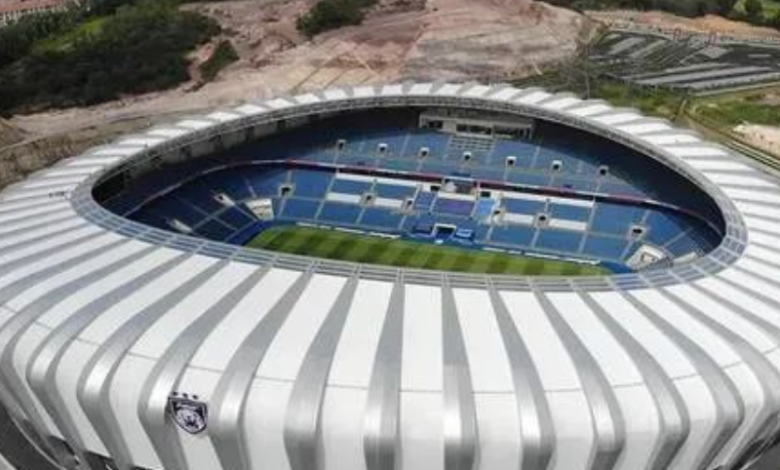
In the education sector, school canopies and stadium bleacher covers have become essential infrastructure. These structures offer students and spectators protection from harsh weather during sports events or outdoor assemblies. Their modern, visually striking designs also enhance the overall look of campus facilities, contributing to a more comfortable and inviting learning environment.
Industrially, tensile structures are proving vital in loading docks, open-air storage yards, and logistics hubs. These membrane roofs provide fast, cost-effective shelter for goods and operations that must remain partially open to accommodate vehicle access and ventilation. In Penang’s fast-growing industrial parks, businesses value these structures for their quick deployment, flexibility, and low upkeep.
Across the island, tensile architecture is being embraced not just as a practical solution—but as a forward-thinking investment that supports both function and form across public, educational, and industrial spaces.
A Sustainable and Aesthetic Solution
Tensile structures offer more than just weather protection—they contribute meaningfully to sustainable development and urban aesthetics in Penang. One of their key environmental benefits lies in energy-efficient shading. By blocking direct sunlight and reducing ground-level heat buildup, tensile canopies help lower surrounding temperatures, thus minimizing the urban heat island effect. This creates more comfortable public spaces and reduces the need for artificial cooling in adjacent buildings, aligning with Penang’s efforts to cut energy consumption.
Visually, tensile structures are known for their minimalist, flowing designs that blend effortlessly into both urban landscapes and natural coastal settings. Whether installed in a city square, beachfront park, or hillside school, these structures enhance architectural appeal without overwhelming the environment. Their light footprint and sculptural forms make them ideal for spaces where openness, visibility, and modern design are valued.
Most importantly, tensile architecture aligns with Penang’s green building and smart city initiatives. As the state advances toward more eco-conscious planning and public infrastructure, tensile solutions support this transition by being lightweight, recyclable, and long-lasting. Their low maintenance requirements further reduce resource use over time.
By combining functionality, sustainability, and elegance, tensile structures play a key role in building a cooler, greener, and more livable Penang for future generations.